Published June 16
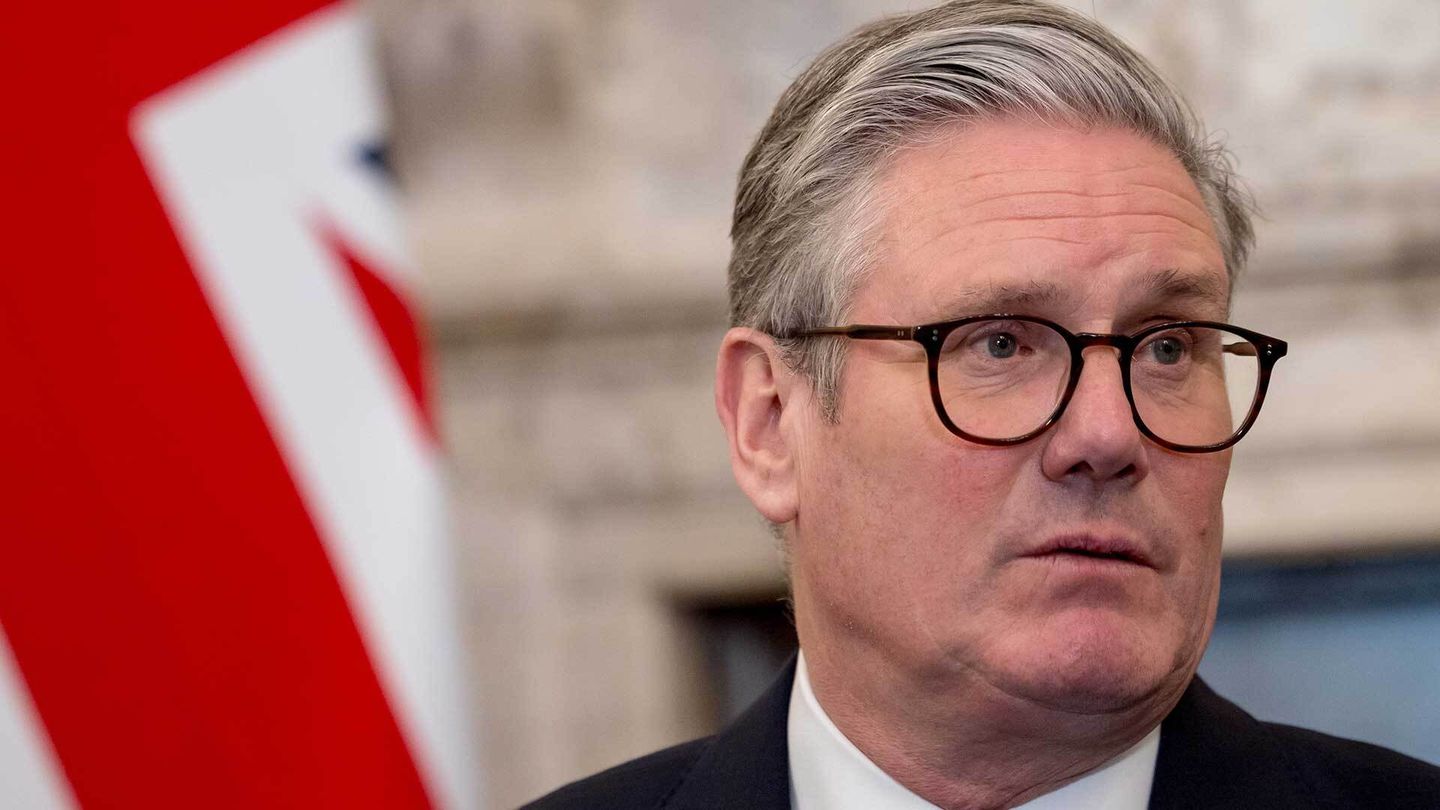
British Prime Minister Keir Starmer this week announced that those under 16 years of age will be banned from several social media platforms in the U.K. starting in the spring of 2027, as the country joins Australia, Canada, Indonesia, France, Malaysia, Spain and other major economies in announcing limits on children accessing social media.
The government said Instagram, TikTok, YouTube, Facebook, Snapchat and X will be included in the ban.
“I am not prepared to compromise on the safety and happiness of our children, and that is why this ban must happen, and why this ban will happen,” Starmer said.
Social media firms have already hit back, claiming that a blanket ban will drive teens toward less safe online alternatives.
Australia’s ban last December set in motion a cascade of regulatory reckoning around the world. In Europe, Greece, Spain, France and Germany have announced or are considering similar bans. In Asia, Indonesia has already announced a ban, while Singapore, Malaysia and the Philippines are mulling restrictions.
A growing trend
British marketers are already assessing the implications of the news.
“For brands, the challenge isn’t losing young people. It’s losing visibility into what they actually care about,” said Annie Harte, audience strategy lead at eight&four.
But youth attention doesn’t disappear — it migrates. Agency buyers told The Current that they are anticipating youth budgets will move to streaming, CTV, gaming and DOOH placements.
“We would expect spend to fragment across environments that offer either strong contextual alignment, clear regulatory positioning or indirect access via household or co-viewing behavior,” Matt Wilke, head of media partnerships at Mediaplus UK, told The Current earlier this year.
“That means more investment in premium video, gaming ecosystems, broadcaster-owned digital environments and curated programmatic supply.”
Ultimately, some industry insiders believe the ban was, perhaps, inevitable.
“The addictive features and algorithmically driven harmful content aren’t bugs. They were built in, by intent, because engagement is the product,” said Melo Meacher-Jones, head of social and influencer at IRIS.