
June 29
The U.K.’s premium digital out-of-home (DOOH) market is entering a new phase of growth. In the past month alone, two high-profile launches underscored the channel’s expanding ambitions.
In London, an immersive brand experience at Outernet London marked Sir David Attenborough’s 100th birthday. Meanwhile, VIOOH expanded programmatic access to residential screens across the U.K. through a partnership with Abode Media.
Together, the announcements highlight a broader trend. Premium U.K. DOOH is no longer defined solely by roadside billboards and transport hubs. Today, buyers can access a diverse mix of landmark destinations, retail environments, transit networks and even residential locations — much of it through programmatic channels.
“There are now more than 45,000 screens in the U.K. DOOH marketplace ranging from 0.2 square meters to over 790 square meters,” said Andrew Gibson, U.K. chief revenue officer at Ocean Outdoor. “Collectively, they reach 97% of the U.K. adult population every two weeks.”
The U.K. is already one of the world’s most digitally advanced out-of-home markets. According to Gavin Wilson, global chief commercial officer at VIOOH, approximately 65% to 70% of U.K. out-of-home advertising spend now goes to digital screen inventory.
“In the U.S., for example, it is almost the inverse,” Wilson said.
With JCDecaux forecasting 40% year-over-year growth in programmatic DOOH by 2027, the trend appears set to accelerate even further.
This high level of digitization has helped create a market where programmatic buying is increasingly the norm, rather than the exception.
“It’s highly digitized, operationally sophisticated and increasingly programmatic, so campaigns can be more dynamic, contextual and responsive than in many markets,” said Tom Perrett, chief of sales at Outernet London.
For media buyers looking to navigate the market, understanding the U.K.’s major premium inventory categories is becoming increasingly important.
Landmark screens
-
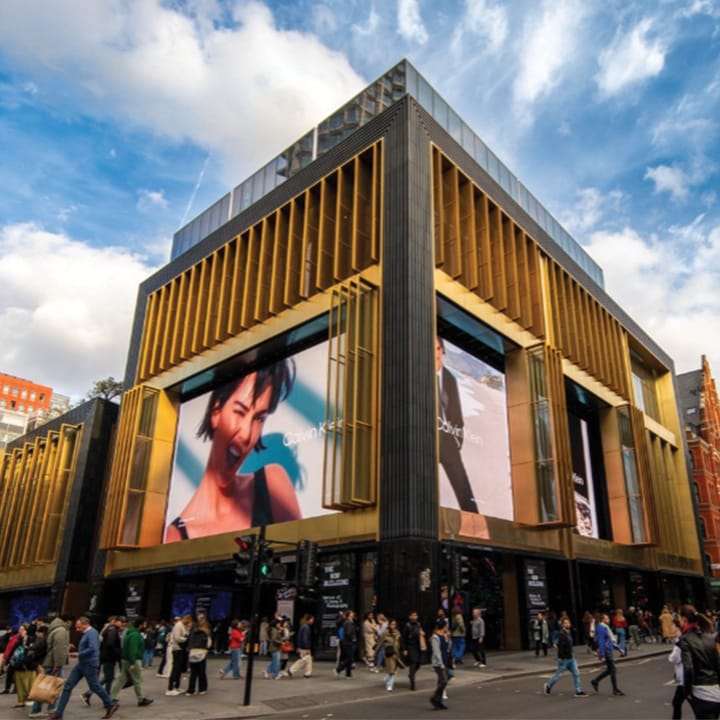
Image courtesy of Outernet
-

Image courtesy of Annie La Vespa
-
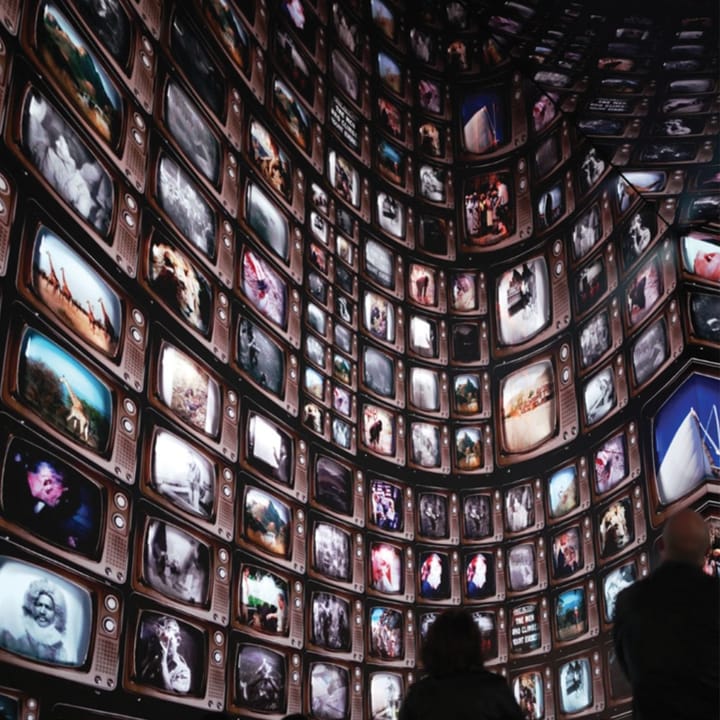
Image courtesy of Annie La Vespa.
-
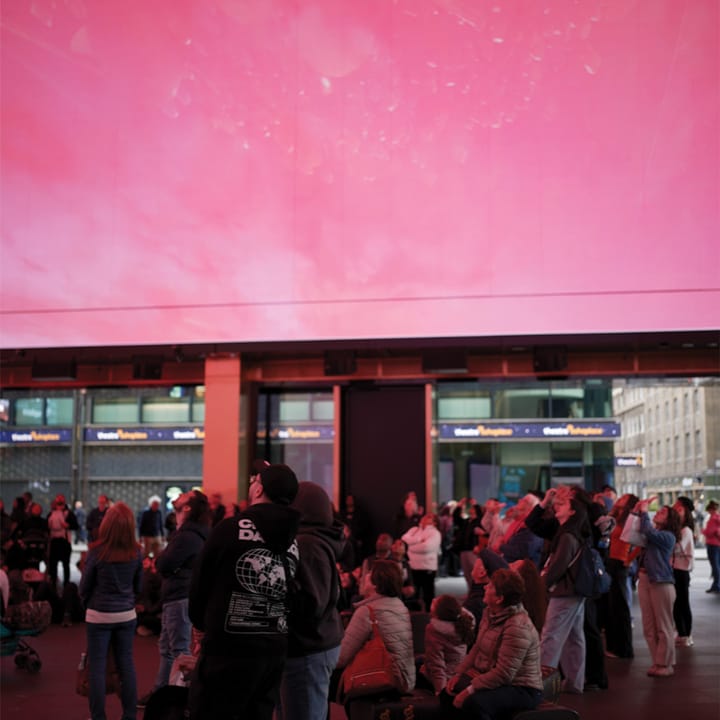
Image courtesy of Annie La Vespa
-
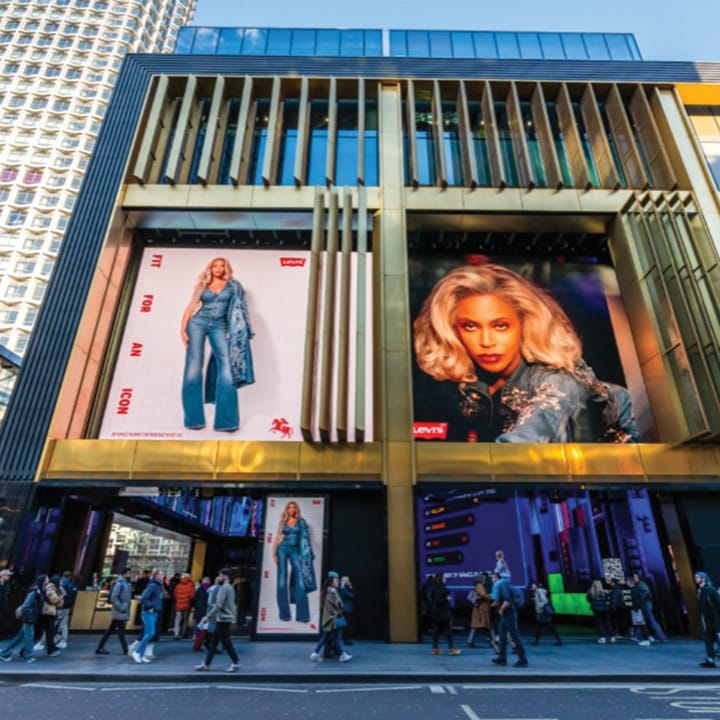
Image courtesy of Outernet
At the premium end of the market sit landmark digital destinations that combine scale with cultural relevance.
Outernet London has become one of the most prominent examples. Located at Tottenham Court Road, the venue’s network of giant screens delivers more than 223 million monthly impressions and increasingly hosts immersive experiences that blur the boundaries between advertising, content and live events.
The recent Attenborough installation reflects a wider shift in how buyers are approaching premium inventory.
“Buyers are increasingly purchasing audience mindset, dwell and cultural relevance,” said Perrett. “Environment and attention are a core part of our effectiveness studies.”
That focus on attention has encouraged brands to move beyond traditional creative mediums.
“We’ve seen huge developments in the ambition of our commercial partners, often blurring the lines between advertising and broader content experiences,” Perrett added.
-
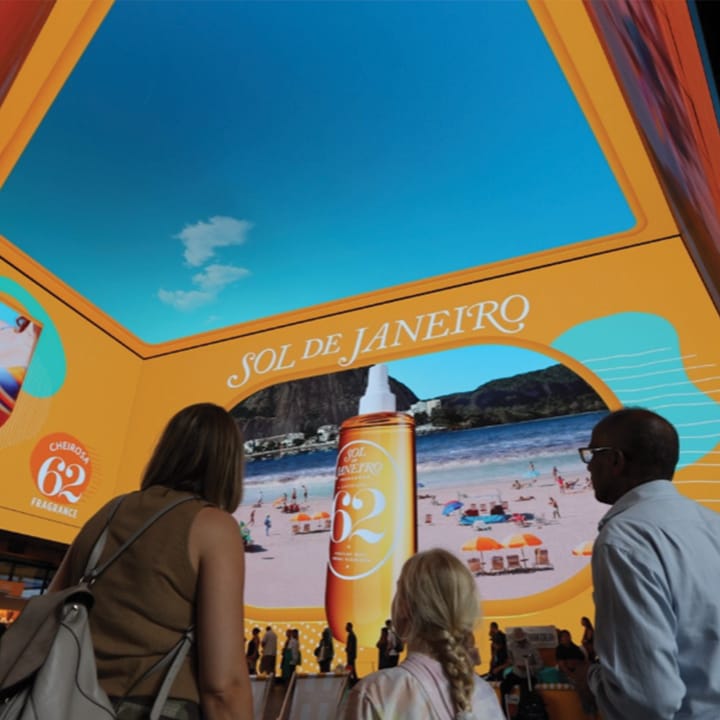
Image courtesy of Outernet
-
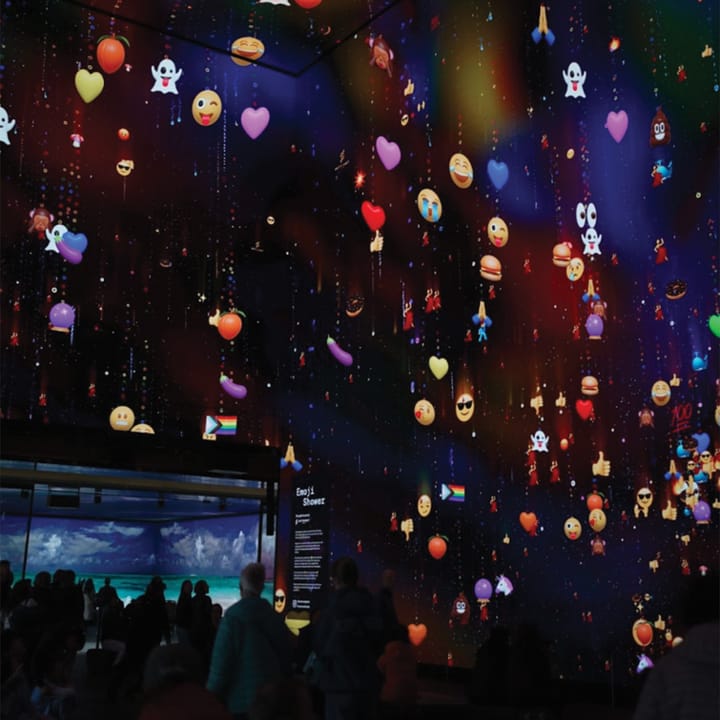
Image courtesy of Annie La Vespa
-
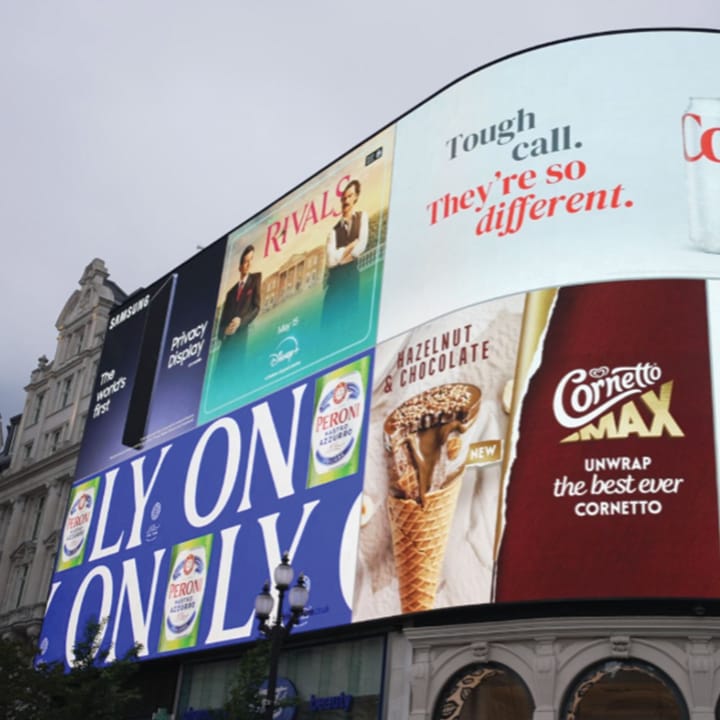
Image courtesy of Annie La Vespa
Ocean Outdoor has taken a similar premium approach with The Grid, the U.K.’s only large-format city-center video network. The network spans more than 50 screens across 18 cities, including flagship locations such as Westfield London, Leicester Square and Piccadilly Lights.
Piccadilly Lights remains one of the U.K.’s most iconic DOOH assets. Its prominence reflects Ocean’s strategy of investing exclusively in “premium high-traffic locations with high-value audiences,” according to Gibson.
Roadside billboards
-
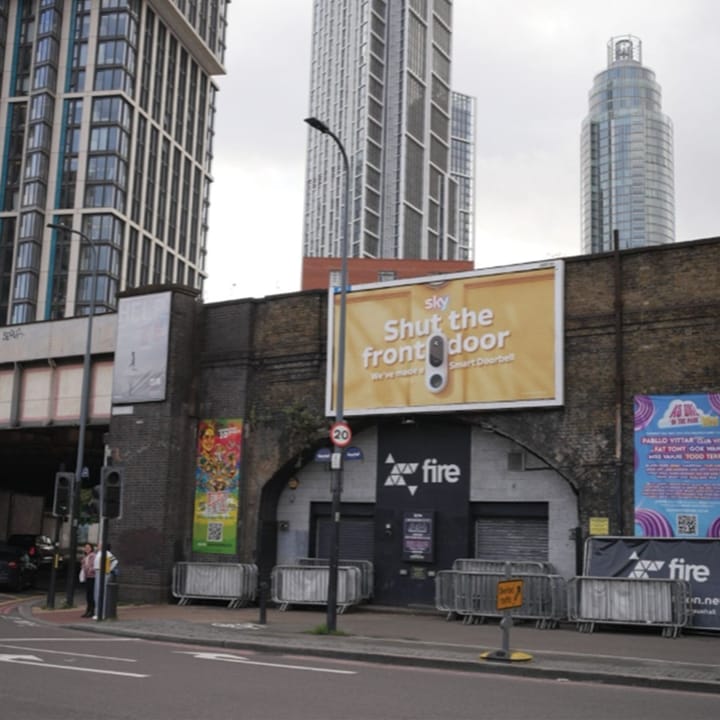
Image courtesy of Annie La Vespa
-
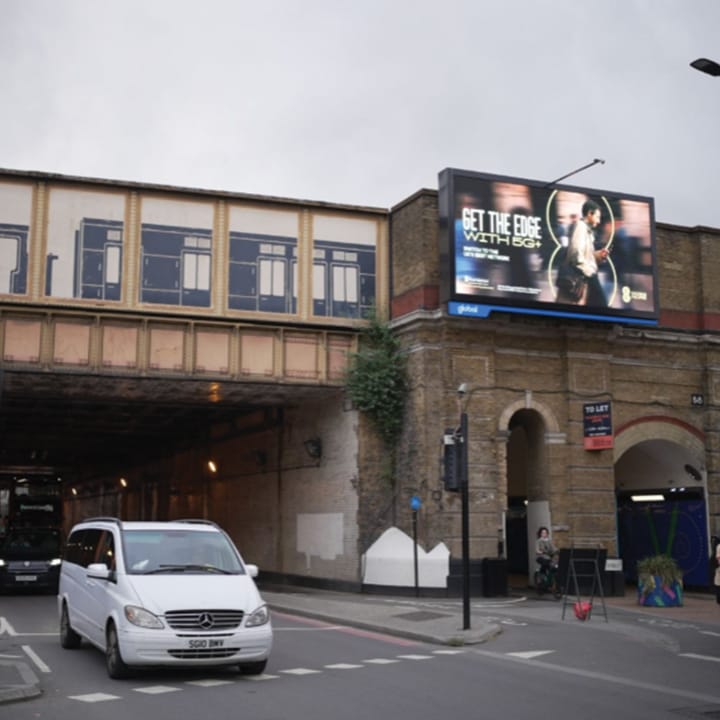
Image courtesy of Annie La Vespa
-

Image courtesy of Annie La Vespa
While landmark locations attract crowds, roadside inventory continues to provide the scale that underpins much of the U.K.’s DOOH market.
Positioned along major commuter routes and urban thoroughfares, roadside screens deliver broad reach and high frequency, making them a core component of national campaigns.
The category has benefited from growing urbanization and increased commuter movement into city centers. Unlike many media channels, roadside advertising offers unavoidable visibility in environments where audiences are actively moving through public space. In fact, JCDecaux’s roadside advertising delivers 1.6 billion impressions every week.
Programmatic buying has also transformed how buyers use roadside inventory. Campaigns can now be triggered by a range of real-world signals, including weather conditions, traffic congestion and time-of-day patterns, allowing advertisers to align messaging more closely with consumer context.
For many international advertisers entering the U.K. market, roadside inventory often serves as the fastest route to achieving national scale.
Transit
-

Image courtesy of Annie La Vespa
-
-
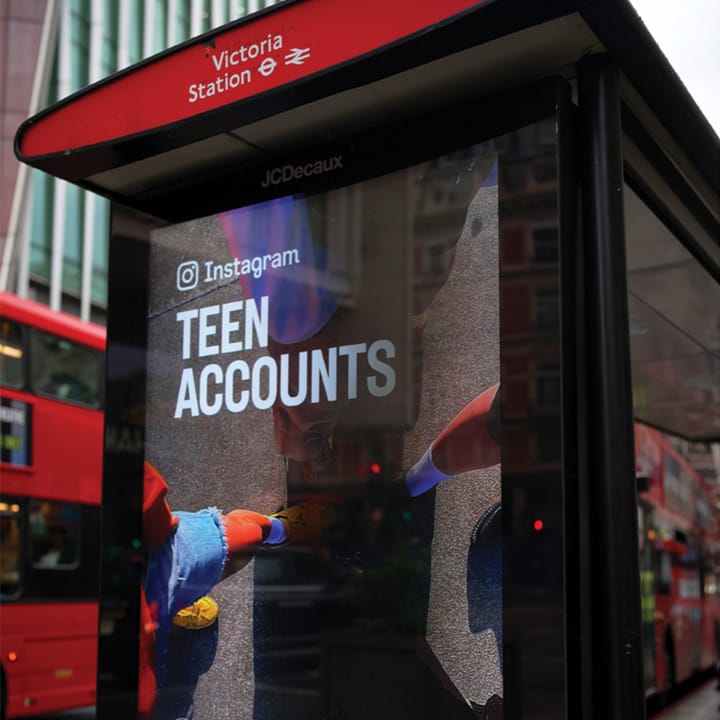
Image courtesy of Annie La Vespa
Transit remains another cornerstone of premium U.K. DOOH.
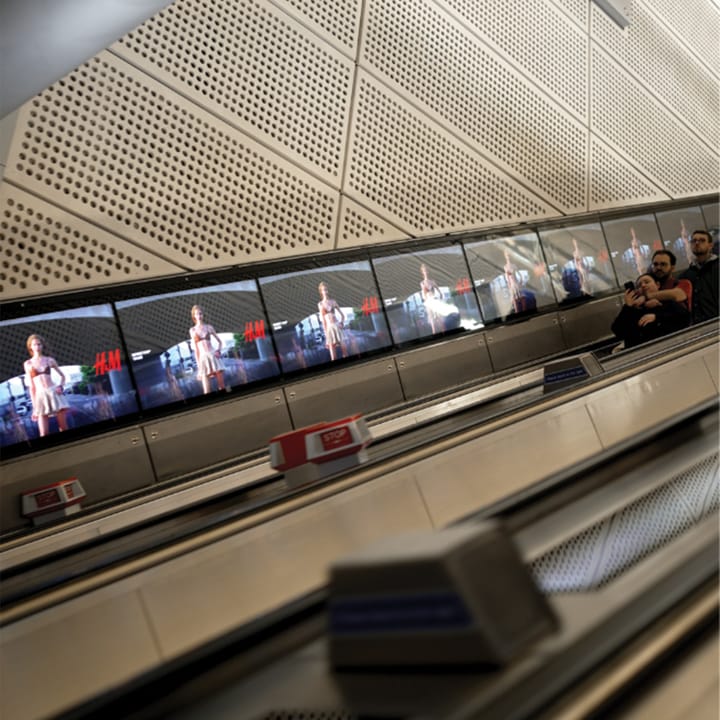
London’s transport network, in particular, offers advertisers access to one of the largest and most engaged commuter audiences in Europe. Digital D6 and D12 formats throughout Underground stations, from platforms and ticket halls to escalator routes and concourses, reach consumers during moments of natural dwell time.
The effectiveness of transit advertising stems from a combination of audience scale, repeated exposure and premium positioning. Daily commuters encounter the same environments multiple times each week, creating opportunities for consistent brand reinforcement.
-
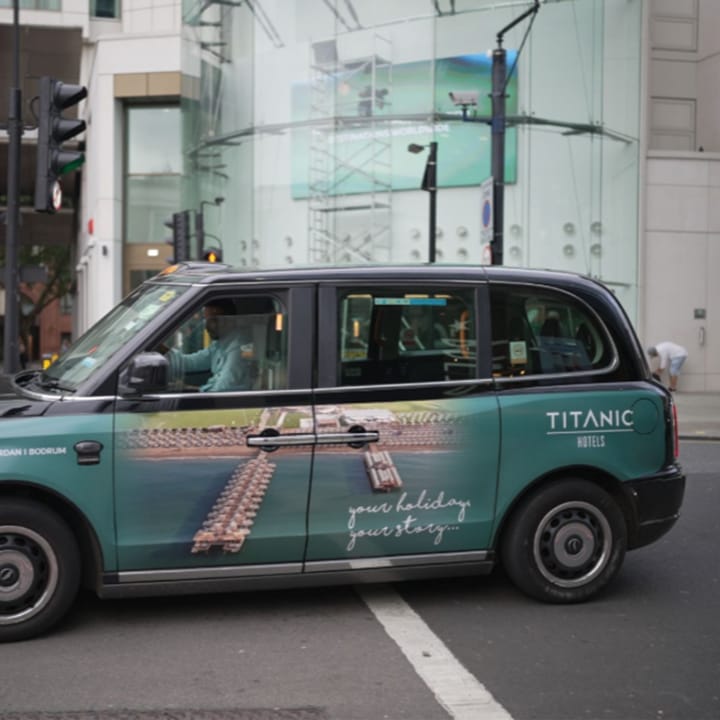
Image courtesy of Annie La Vespa
-
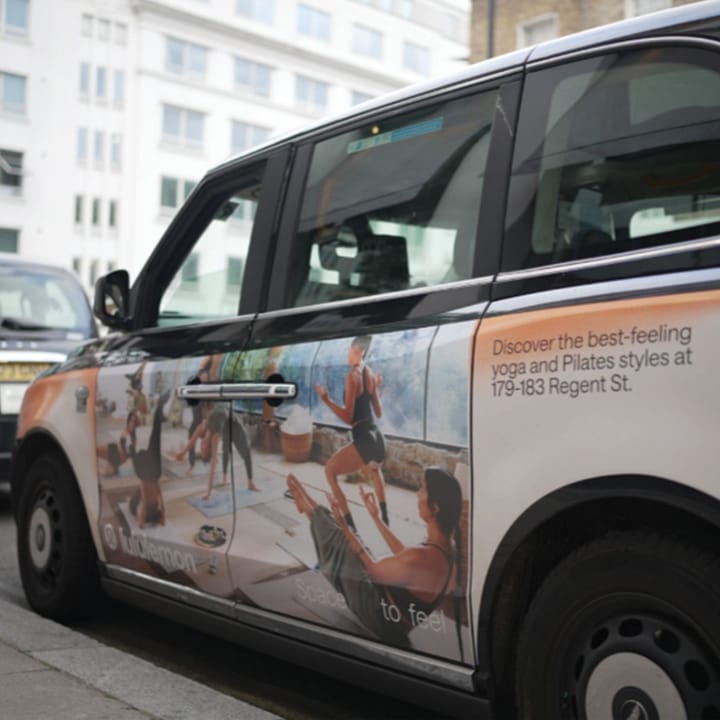
Image courtesy of Annie La Vespa
Beyond the Underground, London’s iconic black cabs have also evolved into a sophisticated digital advertising platform.
Digital taxi-top screens now support dynamic creative optimization and real-time content updates, enabling brands to activate campaigns programmatically while maintaining visibility across some of the capital’s busiest commercial districts.
With 85% of taxi journeys concentrated in prime commercial areas, the format offers advertisers a way to reach both affluent consumers and business audiences throughout the day.
Retail
-
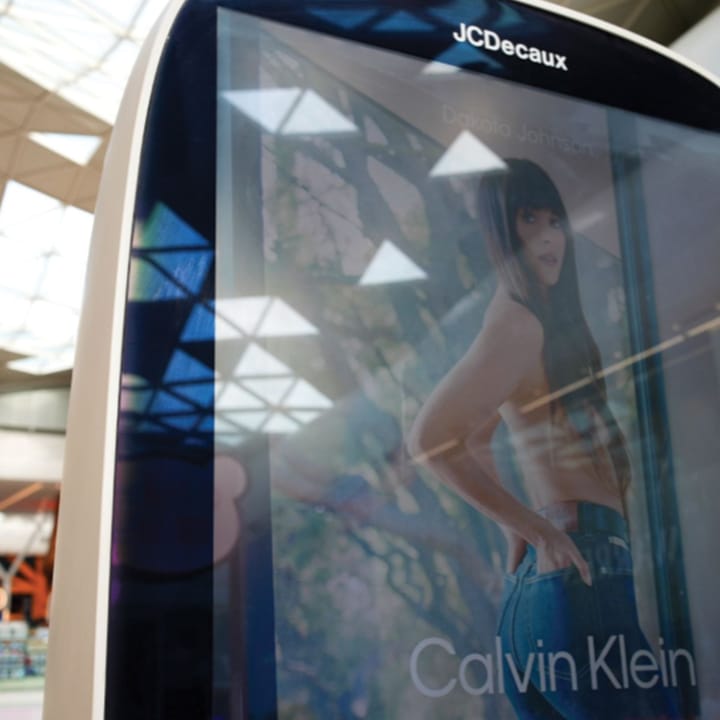
Image courtesy of Annie La Vespa
-
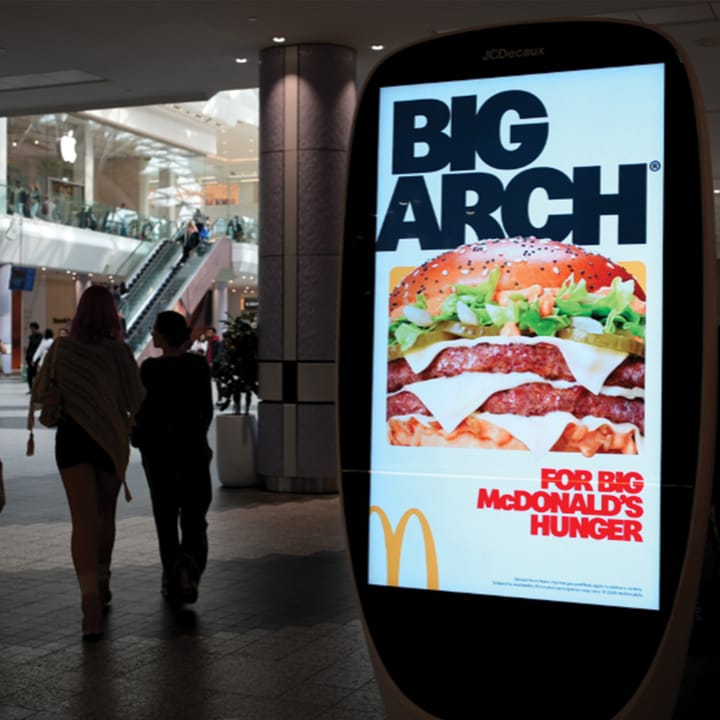
Image courtesy of Annie La Vespa
-
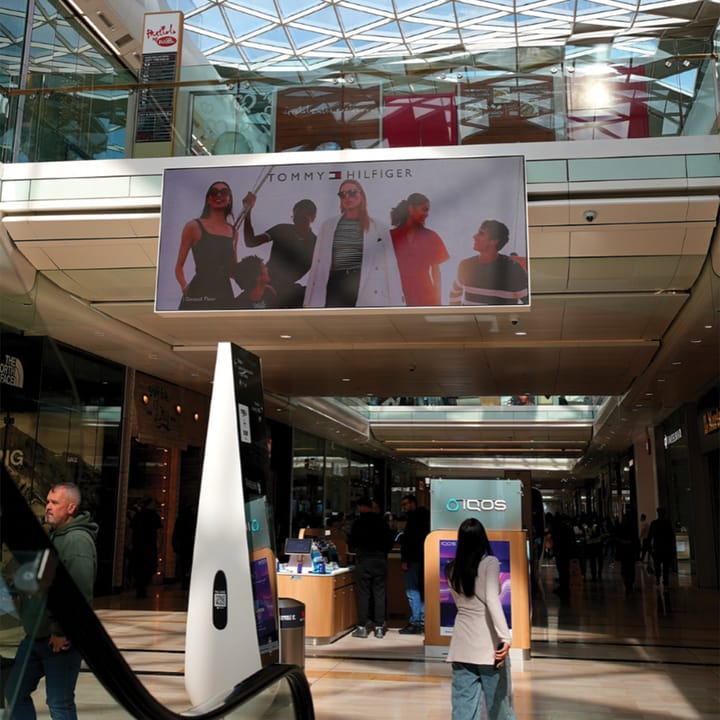
Image courtesy of Annie La Vespa
As retail media continues to grow, shopping environments are becoming an increasingly important component of the U.K.’s premium DOOH ecosystem.
Across malls such as Westfield Stratford City and Westfield London, digital screens allow advertisers to engage consumers close to the point of purchase. For brands focused on driving action rather than awareness alone, that proximity can be particularly valuable.
According to Mark Halliday, director of programmatic at JCDecaux U.K., digital six-sheet formats remain among the “most popular” inventory types due to their standardized dimensions and scalability across multiple locations.
Retail environments are also becoming more data-driven. Trigger-based activation allows campaigns to be deployed when conditions are most favorable, helping advertisers maximize attention and relevance.
Halliday believes the distinction between retail media and out-of-home advertising will continue to narrow.
“We’ll see greater convergence between retail and OOH through the use of proximity data, search data and sales data,” he said, giving brands an opportunity to influence consumers at critical moments in the purchase journey.
For buyers seeking measurable outcomes and closer links between media exposure and sales performance, retail-based DOOH is likely to become an increasingly important channel.
Residential
-
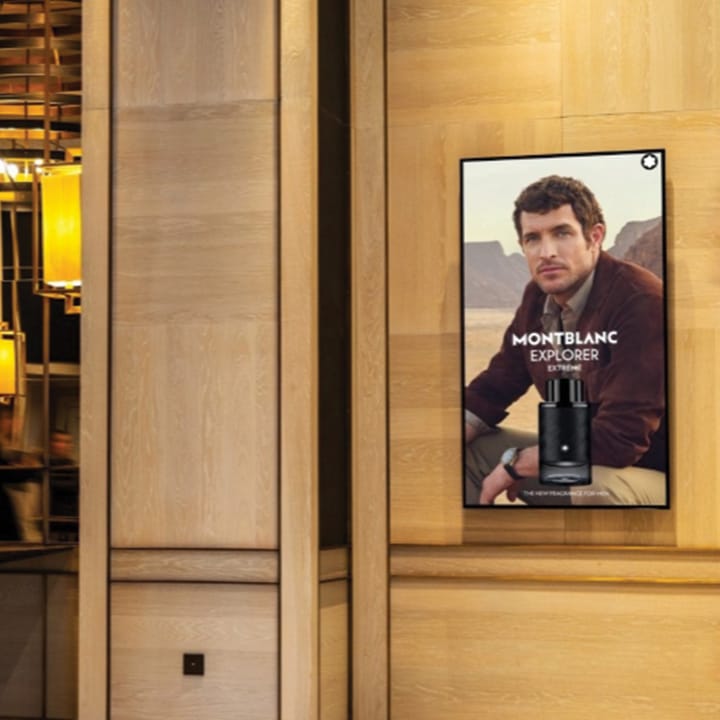
Image courtesy of Adobe
-
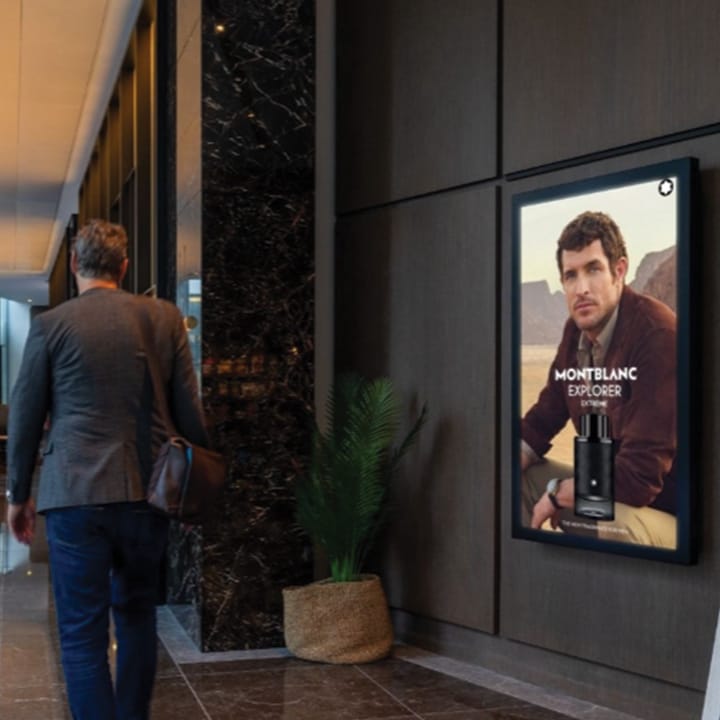
Image courtesy of Adobe
One of the newest additions to the U.K.’s premium DOOH landscape is residential media.
VIOOH’s recent partnership with Abode Media extends programmatic access into residential buildings, creating a new category of inventory that reaches consumers in environments traditionally unavailable to advertisers.
Wilson believes the format remains underutilized despite its strategic advantages. “Advertisers are waking up to the fact that these screens provide a unique opportunity in being one of the first and last touchpoints of the day,” he said.
Unlike roadside or transit environments, residential screens engage consumers closer to moments of active decision-making. They are often encountered when residents are thinking about meals, shopping, entertainment or upcoming purchases.
“They are effective at reaching consumers during important moments of craving, decision-making and active shopping,” Wilson added.
According to James Withers, head of agency sales at Abode Media, 88% of purchase decisions are made in the home.
Abode Media has also recorded measurable commercial outcomes from residential-screen campaigns. One local retail campaign delivered a 7% market-share increase in the targeted postcode area, while a food delivery campaign generated a 300% uplift in sales and achieved peak ROI of 8 times.
As programmatic infrastructure expands, residential inventory could become an increasingly attractive option for brands seeking high-frequency exposure in environments closely connected to purchasing behavior.
A market built for programmatic buying
For global buyers, perhaps the most important characteristic of the U.K. market is not any single format, but the accessibility of premium inventory through programmatic channels.
A relatively small number of media owners control a significant share of the country’s premium assets, creating a market where advertisers can achieve substantial reach through a limited number of buying relationships.
“Much of it is available programmatically,” said Ocean’s Gibson, making it possible to achieve “national urban scale, or local market dominance, through just a handful of deals.”
Whether buyers are looking for cultural impact through landmark screens, national reach through roadside networks, commuter frequency via transit environments, retail influence near the point of purchase or emerging residential audiences, the U.K.’s premium DOOH market offers one of the broadest and most accessible inventories in the world.