Published July 29Edited July 30
Travel is one of the few times a consumer will signal what they’re about to do rather than what they've already done. That makes “travel intent” one of the richest first-party datasets available to marketers — and digital travel platform Agoda is leaning into that insight.
Through a new partnership with The Trade Desk, advertisers can activate Agoda’s first-party travel intent signals across channels including CTV, streaming audio and digital out-of-home (DOOH).
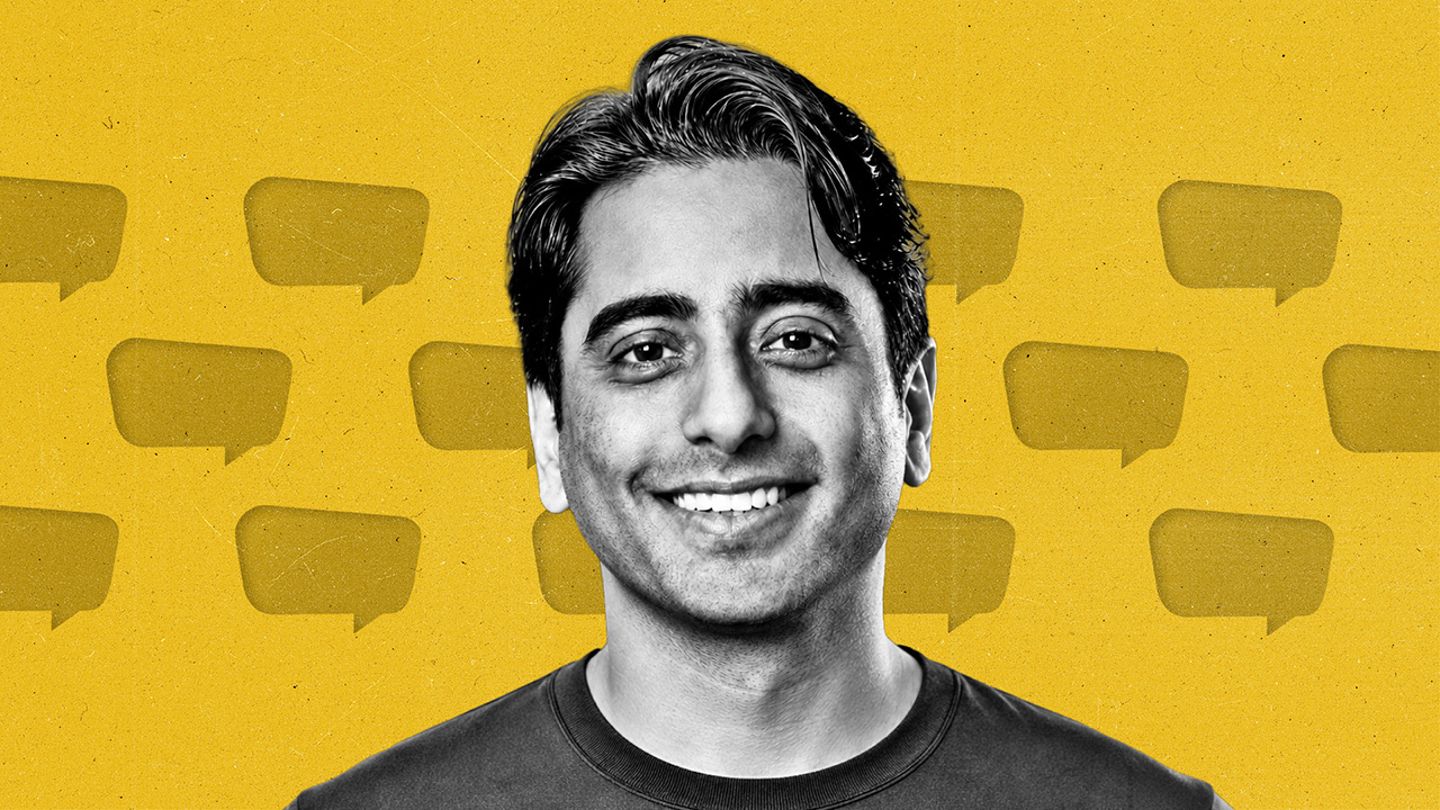
In this Q&A, Prashant Kala, director of media solutions at Agoda, explains why travel intent is proving valuable for categories beyond the travel industry and why the future of travel media will be defined by trusted first-party data and cross-channel measurement.
Which non-travel categories are showing the strongest interest in Agoda’s audience data and why are they finding it valuable?
Travel is one of the highest-value consumer moments a brand can intercept — and that’s pulling in a much wider set of advertisers than the traditional categories.
We are seeing strong interest from categories like payments, banking, ride-hailing, retail, beauty and telcos.
When consumers plan a trip, they’re making interconnected spending decisions across many other categories at the same time. That creates a relevant opportunity for brands that want to be part of that journey.
A payments brand would want to be top of mind before an international trip. A telco may want to land a roaming proposition before departure. A ride-hailing brand may want to connect once the consumer arrives at their destination. Retail, beauty and lifestyle brands — especially in the Asia-Pacific region, where inbound shopping is a defining part of the travel itinerary — may see more value in reaching travelers planning premium holidays or shopping-led trips.
Travel intent is no longer a niche signal for travel brands; it’s becoming a core dataset for any category that benefits from reaching consumers at a high-intent, high-spend moment.
What makes travel data different from other first-party datasets and what can marketers learn from it that they can’t learn elsewhere?
Most first-party data describes past actions — a purchase, a content view or even a brand interaction.
Travel is one of the few categories where consumer data tells you what they want to do or are about to do, not just what they’ve already done. When someone is planning a trip, their behavior often reveals insights around destination, timing, trip length, budget range and the kind of travel experience they may be looking for.
What signals indicate that someone has moved from thinking about a trip to actively intending to book — and how valuable is that distinction for advertisers?
We can see when a traveler shifts from casual browsing to active planning. The behavioral signals get specific: repeat searches on the same route, locked-in travel dates, tighter filters, price comparisons across properties and flights and more time spent looking at a particular destination or type of stay.
That distinction matters for advertisers because the message has to change with the moment. If someone is still exploring, broader inspiration works better. If they are already comparing options, then relevance and timing become the key differentiators.
For brands, it’s about meeting travelers at the exact point where intent becomes action.
How should marketers think about using travel intent signals across upper-funnel environments like CTV, streaming audio and DOOH?
Travel intent makes upper-funnel media smarter. Channels like CTV, streaming audio and DOOH are great for awareness, but they work harder when they are backed by real audience insights rather than broad demographic assumptions.
The point isn’t to force every upper-funnel channel to behave like performance media. It’s to make awareness work harder by putting better insights underneath it.
That matters in APAC, especially where travel discovery is fragmented across devices, platforms and moments throughout the day.
What do you think the next phase of travel media will look like and how will advertisers measure success in that environment?
The next phase of travel media will be much more focused on strong first-party data and better cross-channel planning.
Not every channel exists to close a sale immediately. Some channels help build consideration early, while others help convert demand later. The next era of travel media is about connecting and measuring those stages as a single journey.
Measurement will also need to be more balanced. While advertisers will still care about conversions and business outcomes, they will also look more closely at audience quality, engagement, reach and how different channels work together across the journey.
This information is provided solely for background and is not a representation or guarantee of any future performance. The Current is owned and operated by The Trade Desk Inc.