
November 2
I was raised in a lower-middle-income family in the great town of Jamestown, NY, 75 miles from Buffalo. My dad was a high school art teacher and baseball coach, while my mom raised my sister and me while teaching singing lessons and directing our church choir. So financially, we weren’t exactly rolling in it, but they somehow made it work. I remember Chef Boyardee’s Roller Coasters, at $0.99 per can, were often a weekend lunch treat. We thought most families were middle class like us, and we thought that was just fine.
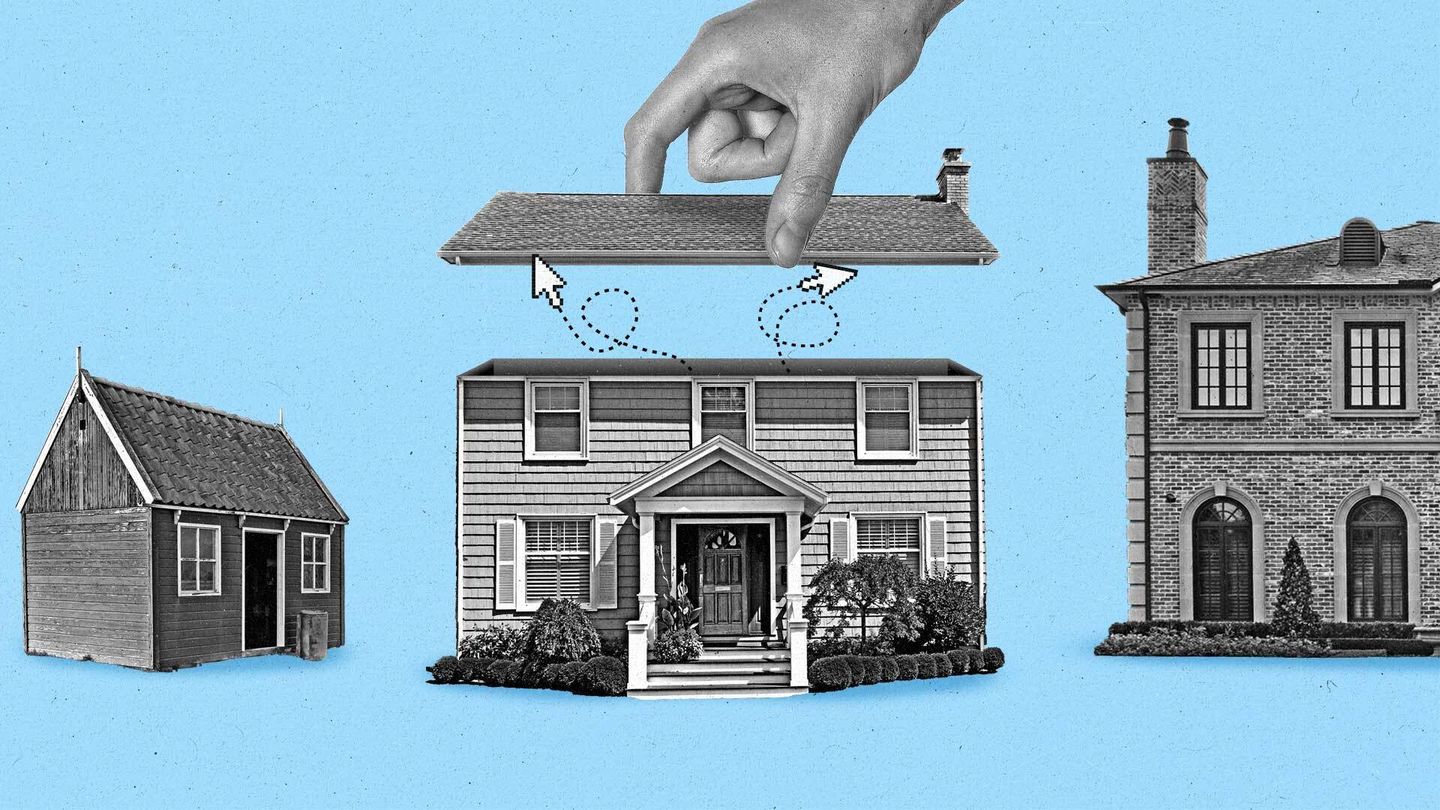
But today, our middle class is being hollowed out in three significant ways.
Our Economy
You’ve probably heard about the k-shaped economy today, and I use a lowercase k intentionally, because there are fewer doing very well going “up and to the right” in a financial trajectory, while most are going down and struggling. Affordability is a very real problem for way too many families. According to Pew, and highlighted recently by Professor Scott Galloway, since 1970 the share of total U.S. household income held by the middle class fell from 62% to 43%.
Our Publishers
I am finishing writing this column in the early am here at the ANA Masters conference in Orlando. I noticed there are fewer publishers attending than in the 10+ years I’ve been here. And fewer attended all of the major conferences over the past month. I think there are fewer people working at publishers today. Some publishers that benefited from the Open Internet/Open Auction revenue stream never taught their sales team to close programmatic direct deals and their audience development teams relied too much on the addiction of search and social traffic generation, while Google and Meta slowly and brilliantly pulled that rug out from under them.
Prohaska Consulting’s average publisher client audience is down 40% over the last 18 months, while our bench of available seller teammates is the largest in our 13-year history, because of so many talented people under-/unemployed, among those actually still working in our digital media and marketing industry.
Too many marketers and agencies also still using first-click/first-touch or last-click/last-touch attribution, allowing Walled Gardens to grade their own measurement homework, and one specific publisher receiving a slap on the wrist for breaking the law as a monopoly for 15+ years, has resulted in too few publishers making way too much money.
EMarketer recently showed 62% of spend going to Google, Meta and Amazon. In addition to Apple’s recent sudden and opaque blocking of key identifiers that help publishers, news publishers specifically have struggled. Combine those challenges with government and government-friend fear tactics, and you’ll see the impact of many needed voices being silenced and many news publishers, especially local, seeing their revenues drained.
Our Non-profits
The U.S. Government’s cutting of grants and funds to major and minor non-profits, or NGOs, combined with many specific Government-funded programs, have hurt our ability to help people like we usually do. The Chronicle of Philanthropy highlighted 21% lost a Government grant, 27% face delays or freezes, and 6% were hit with stop-work orders—a combined 53% disruption. While major donors have helped fill some gaps with large non-profits, most are struggling and face extinction.
Why You Should Care
Most people I see attending ANA Masters this week are not in the middle class. But many of the companies represented used to have most of their revenue from the middle class. Tougher to sell more things to more people when inflation outpaces wages, as many families with two working parents need to prioritize spending on healthcare over entertainment, or food. Even if you don’t care about helping your neighbor or stranger who is much worse off today than you, realize it’s harder for more companies you sell to or work for to sell things to the same people and your job is impacted, not even just because of growing overuse of AI replacing people.
What You Can Do
If you are reading this from the U.S., please vote before or on Nov. 3. And please read and share real info, not dis- or mis-info, from credibly sourced publishers. If you are buying ads, or paying those that do, please avoid the temptation to take seemingly good results supplied by a handful of publishers themselves as real results. It’s creating too much waste of your company’s budget that should be going more to other publishers creating value across the full sales funnel. If you are wanting to help non-profits and more people individually, please find a cause and place important to you and give time and/or money, or help us generate impactful ROI with both at Charity Action Network.
Since we just passed Halloween, I know The Hollowing sounds like the title of the latest scary thriller. Unfortunately, The Hollowing of the Middle Class in our Economy, Industry, and Non-Profits, is creating real fear among those who are really struggling. Fortunately, there are many things we can do today, personally and professionally, to change that to help others that, it turns out, amazingly and wonderfully end up helping all of us.
This op-ed represents the views and opinions of the author and not of The Current, a division of The Trade Desk, or The Trade Desk. The appearance of the op-ed on The Current does not constitute an endorsement by The Current or The Trade Desk.
Sir Martin Sorrell makes the case that the ad industry should start thinking in terms of media investment management rather than media buying or planning.
October 29Sir Martin Sorrell