July 28
The U.S. TV rights for 2030 and 2034 World Cups are now up for grabs, with CNBC reporting FIFA will consolidate the English- and Spanish-language rights into a single package.
The next deal could reportedly be worth between $1.5 billion and $2 billion, roughly double what Fox and NBCUniversal paid under the current agreement. Fox has held the English-language rights since the 2018 World Cup, while Telemundo has carried the Spanish-language broadcasts.
After FIFA moved the 2022 World Cup to the winter, the two broadcasters were awarded the 2026 rights without a competitive bidding process. Fox reportedly paid about $485 million for the English-language package, while Telemundo paid about $600 million for the Spanish-language rights — a deal many media executives viewed as well below market value.
Fox Sports CEO Eric Shanks confirmed Fox intends to bid again, while ESPN and NBCUniversal are also expected to pursue the rights. FIFA will decide the winning bidder, with Shanks saying he expects the process to play out in the next six to eight months. ESPN previously held the English-language rights from 1998 to 2014.
The World Cup was a major success on all fronts, from breaking several viewership records while generating an estimated $1.19 billion in ad revenue, 170% higher than the 2022 World Cup, according to data from Guideline. Combined streaming ad revenue for Fox and NBCU skyrocketed 839% to $166 million, per the same estimates.
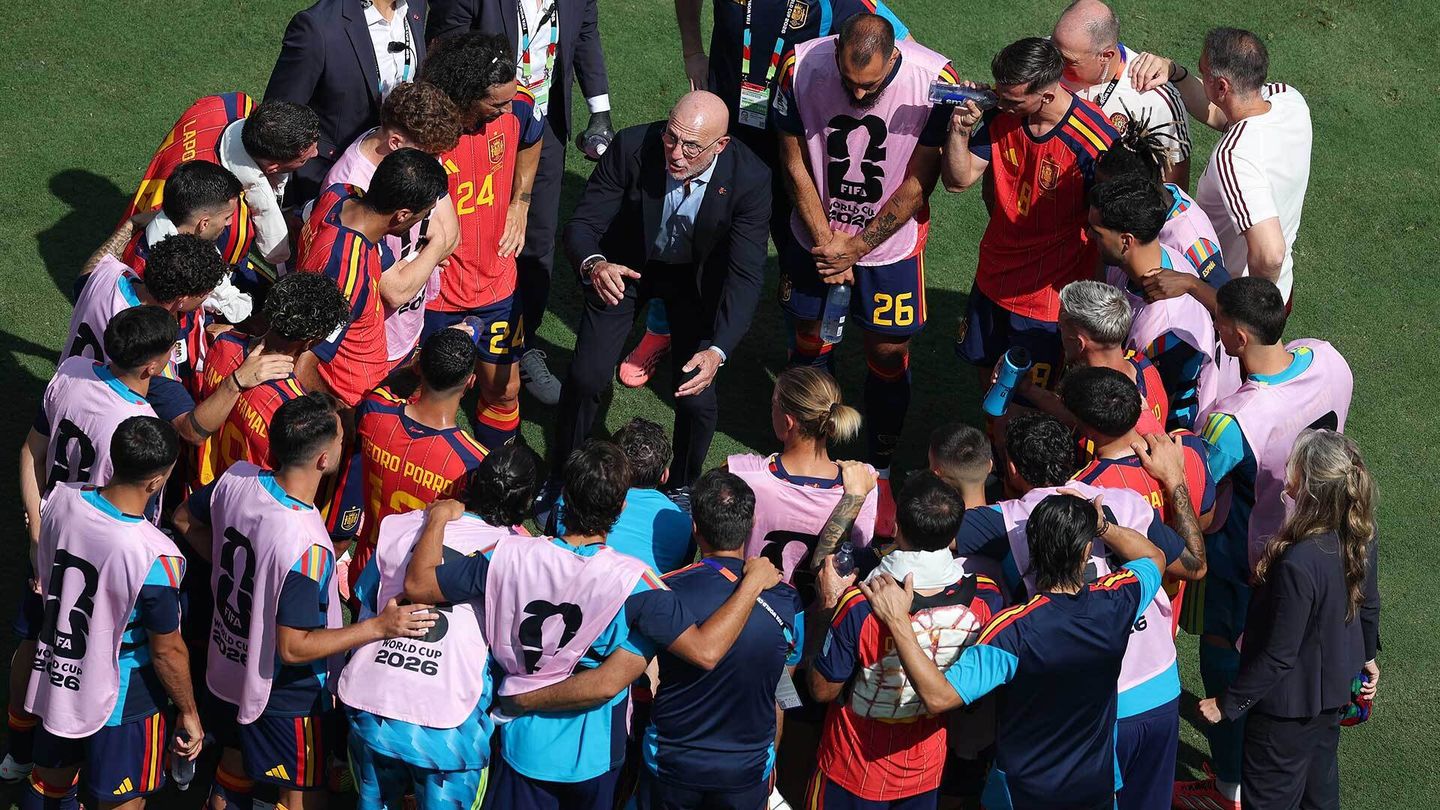
Those records were driven by a perfect storm of factors: The tournament was held on North American soil, expanded to 48 teams and included mandatory hydration breaks for the first time, creating additional commercial inventory.
Those hydration breaks alone may have created $500 to $600 million in extra ad revenue, according to The Hollywood Reporter, more than Fox’s reported rights fee.
Shanks said on The Varsity Podcast he was unsure whether hydration breaks would continue during the next World Cup which will be hosted primarily by Portugal, Spain and Morocco. Now, there is talk from soccer leagues across the world that hydration breaks could enter their games as well, according to ESPN.
“It would be hard to move backwards once hydration breaks have been shown to work because of the dollars associated with it. And if it’s not hydration breaks, it will be something else,” David Levy, Turner’s former president and now the CEO of sports marketing agency Horizon Sports & Experiences, told ESPN.
The sweetheart World Cup deal
It’s remarkable how little Fox’s and NBCU’s rights fees increased when FIFA awarded the 2026 rights. The New York Times reported that FIFA’s decision to award the 2022 World Cup to Qatar, forcing the tournament to move to November and December to avoid the summer heat, helped pave the way for the deal.
With the winter already crowded with major sports, the two TV broadcasters received a deal that experts, including former ESPN President John Skipper, have said were worth hundreds of million dollars below market value.
“This is one of the most undervalued deals in the world,” Daniel Cohen, executive vice president at Octagon, which consults on major media rights deals, told the Times.
With the 2034 World Cup slated for Saudi Arabia, the ball is in FIFA’s hands to reset the market.
Audience signals helped scale programmatic CTV. Content intelligence brings what’s on screen into ad-buying decisions today — and could give automated systems a richer input for optimization tomorrow.
October 15Bill Michels