May 18
It’s nearing winter in Australia, and for fans of the Australian Football League (AFL), that means one thing: Footy season is in full swing.
For decades, advertising around Australia’s most popular sport meant following a simple formula. Brands bought premium placements around live matches, leaned on broadcast scale and trusted the popularity of the national game to do the rest.
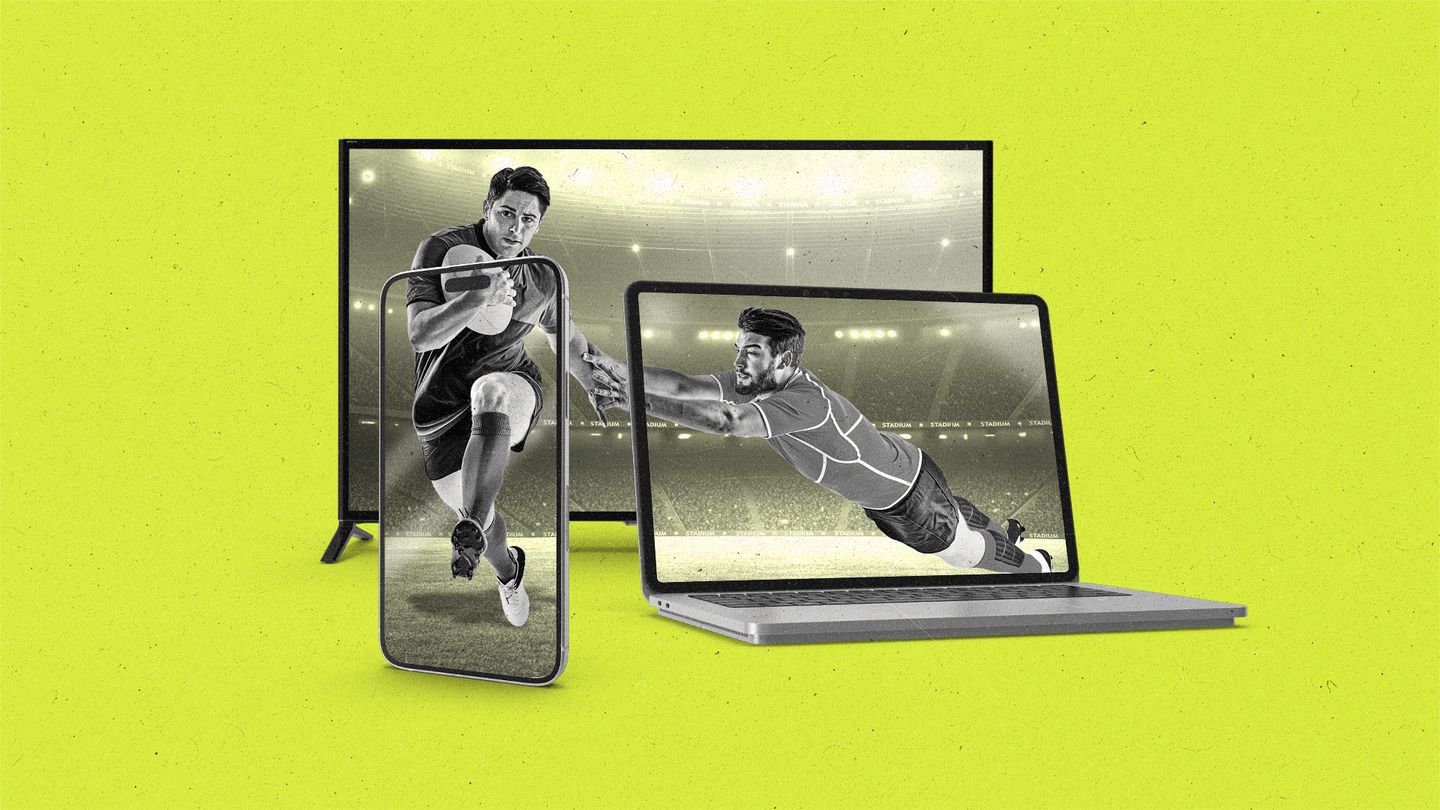
But while live matches still command big audiences, the way Australians consume AFL content has changed. Fans are no longer engaging with the game solely through a single television screen. Instead, they’re moving between live broadcasts, replay clips, highlights, and other second-screen behavior throughout the week.
Recent research found that 67% of audiences now watch highlights online through sports news coverage and replays, creating a growing need for brands to think beyond the live game and consider strategies incorporating mobile, CTV and premium news environments.
Experts say AFL planning — and live sports media planning more broadly — can no longer revolve around isolated media placements.
“When we look at this for clients, we are considering more structured sequencing across live, replay and social,” Sarah Keith, managing director at Involved Media, told The Current. “Instead of treating them as separate channels, we’re connecting them, using live for scale, replay for reinforcement and social to extend key moments.”
“It’s a more natural fit with how fans are consuming AFL content,” Keith said.
Audiences have moved beyond the broadcast
The trend has been building for years, locally and globally. Major sporting moments now extend far beyond the live event, increasingly driving sustained engagement through highlights, commentary and social conversation long after the game ends.
According to Nic Nasrallah, account director at GumGum, many advertisers operate under outdated assumptions about how fans actually consume AFL content.
“Back in the day, an AFL sponsorship across linear TV was the be-all and end-all,” Nasrallah said. “You’d lock in your spots, set the campaign live and forget about it.”
Nasrallah points out that modern sports audiences are rarely fully focused on a single screen. While watching a live match, fans are likely to be simultaneously checking injury updates, debating team selections or monitoring fantasy scores.
GumGum’s own AFL engagement data from last year’s grand final period found audiences showed strong attention across a range of adjacent content categories, including law and politics, medical and health, careers and recreational vehicles.
“What this tells marketers is that the AFL audience is far broader than the die-hard fan watching every bounce of the ball,” he said.
“Casual fans, curious browsers and everyone in between are moving through these high-resonance environments before, during and after the game.”
But while sports viewing behavior has evolved, many advertisers still remain tied to legacy planning models centered primarily on traditional broadcast.
For Keith, the shift in audience behavior doesn’t mean abandoning live television altogether. Instead, it requires a more connected planning approach that treats broadcast and digital as complementary rather than competing channels.
“When looking at AFL for clients, the live broadcast remains the cornerstone of our media strategy because it delivers unmatched scale, attention and cultural impact,” Keith told The Current.
“We cannot ignore that the way audiences engage with the game has evolved, with highlights, replays and short-form content playing a much bigger role in how fans consume and stay connected to the sport.”
Keith said Involved Media takes an integrated approach to AFL campaigns, prioritizing live environments for reach and impact, while also planning digital channels, “to extend that reach, engage lighter viewers, and capitalize on key moments beyond the live broadcast window.”
“Highlights and short-form content are especially effective in reinforcing messaging and maintaining relevance throughout the week,” she added.
“Ultimately, it’s not a trade-off between broadcast and digital, but about how the two work together.”