May 20
From billboards looming over highways to the digital banners flashing on your phone, to large plasma screens in storefronts and pamphlets being handed out on the street, it seems that in India, everyone is always trying to sell you something.
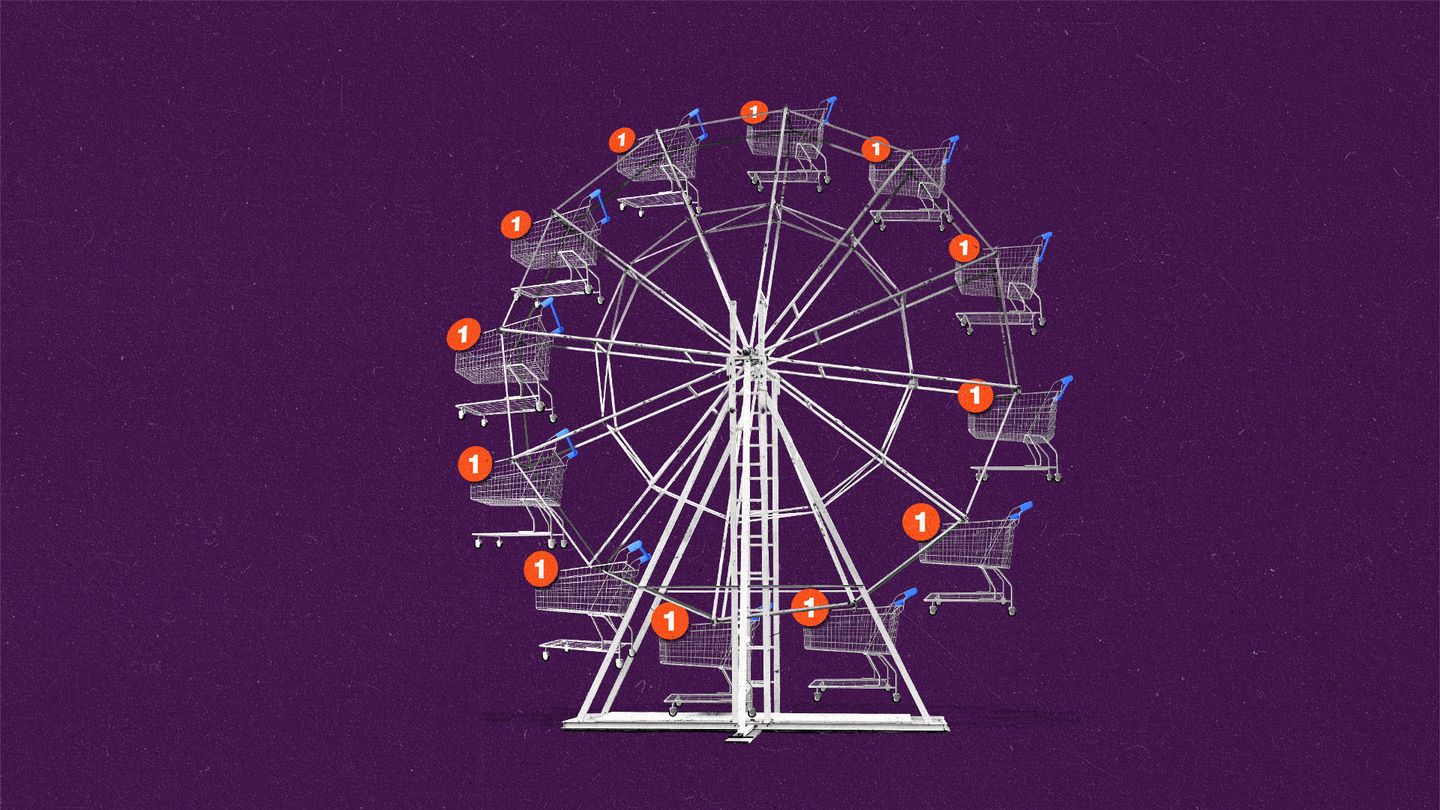
For years amid that noise, digital advertising has grown on the promise of delivering measurable attention at scale. But increasingly, it is being judged by something narrower and far more immediate: its ability to convert that attention into sales.
Telling a brand’s story across media isn’t going away. But in India there is a growing cohort, especially younger shoppers, who will happily buy from a brand they first notice at the checkout screen of a shopping app on their phones. Call it a kind of TL;DR (too long; didn’t read) of the brand narrative.
In this shift, the traditional separation between discovery, consideration and conversion begins to collapse. Storytelling does not disappear, but it moves closer to the transaction, appearing in shorter, more contextual formats within commerce environments.
In this environment, brand storytelling is increasingly expected to justify its place within a system that prioritizes outcomes over exposure.
“What we’re seeing is a structural shift from attention-first to outcome-first advertising,” said says Yaron Tomchin, CEO at Mobupps. “Retail media, quick commerce, and commerce-integrated platforms are capturing budgets because they sit closer to the point of purchase and offer deterministic measurement.”
This compression of the journey is being accelerated by changes in how consumers buy, and where those purchases happen. Data shows that as more transactions shift to marketplaces and quick commerce platforms, advertising follows.
Digital ad spend in India is projected to account for around 64% of an $18.5 billion (₹1.74 trillion) ad market in 2026—once you include not just search, social and video, but also quick commerce and small and medium businesses’ digital spend.
Within that, retail media is emerging as the standout. Estimates from WPP’s TYNY 2026 and the Pitch Madison Advertising Report 2026 suggest it will cross roughly $3.2 billion (₹301 billion in 2026) —about 15% of India’s total ad revenue and the fastest-growing channel in the mix.
An ET Tech analysis using Deloitte and Datum Intelligence data similarly estimates that e-commerce, quick commerce and food delivery platforms together will generate more than $2.97 billion (₹280 billion) of ad revenue in 2026, up about 30% from last year.
Gen Z’s impact on this trend is outsized. The generation already makes up roughly 28% of India’s population (about 400 million people) and accounts for around 40% of e‑retail shoppers, according to Kotak Mutual Fund and Bain & Company’s ‘How India Shops Online’ reports.
“We are seeing a very sharp shift with advertisers focusing on ROI as consumer buying moves rapidly to ecommerce and quick commerce,” said Pratham Hegde, co-founder and business head at marketing measurement platform TrueLift.
But the shift is not just about platforms. It is also about measurement. “Omnichannel impact measurement in a multimedia world is the number one challenge advertisers are trying to solve,” Hegde said.
In practice, this means budgets are increasingly flowing toward channels like commerce media that show direct links to sales, as the data shows. In contrast, the compounding effects of brand building are harder to quantify, and therefore harder to defend in the short term.
From a brand’s perspective, the impetus behind this shift is pragmatic. “Performance numbers are easy to justify. This is how much we spent, this is what we got,” said Ravi Adhikari, marketing and brand lead at footwear retailer Chupps. “The compounding effect of brand building is harder to show, so brands take the easier route.”
But that shift comes with risks. The logic of commerce-led advertising is efficient, but finite. It captures demand that already exists, but whether it expands it is another question.
“Performance channels harvest demand. They rarely create it,” said Yash Chandiramani, founder and chief strategist at Admatazz. As more brands cluster around high-intent environments, competition intensifies, often driving up acquisition costs rather than lowering them. “If everyone only invests at the point of sale, the market becomes a bidding war for the same in-market buyers.”
Still, even as brand advertising in India starts to contend with new expectations, Adhikari pointed to the continued role of storytelling in building awareness and trust. “If people don’t know you exist, they won’t buy from you, no matter how precise your targeting is.”