Stanley Steemer and Havas on refreshing the brand without ditching that iconic jingle

Stanley Steemer debuted in 1947 as a one-man cleaning company in Columbus, Ohio.
After founder Jack Bates’ son, Wes, graduated from college in 1970, he helped develop a steam-cleaning machine. It reminded the elder Bates of a steam-powered automobile dating back to the late 1800s, known as — you guessed it — the Stanley Steamer. And thus, a brand icon was born.
The Bates began franchising in 1972. As of 2017, the brand had 300 franchises in 49 states. Along the way, Stanley Steemer celebrated a number of firsts: The brand says it was the first carpet-cleaning company in the U.S. to advertise on national television in 2000. Its famous jingle followed just two years later.
In a recent conversation, Stanley Steemer CMO Andrew Schneider sat down with Frank Dattalo, chief creative officer at Havas Chicago, the brand’s lead creative agency as of August 2025, to discuss the brand legacy, as well as how they plan to redefine it and reposition it for a modern consumer. Spoiler: It includes a new campaign and brand character inspired by Stanley Steemer’s service technicians and is meant to connect with consumers inundated with DIY hacks on Instagram and TikTok.
Andrew Schneider: I’ve been here about nine months. This is such a pivotal point for us as a brand. And then our partnership with Havas … it’s almost like nine months birthing a baby together.
Frank Dattalo: An advertising baby, yes. I, too, have been in this role for roughly nine months. In fact, the first official pitch or brief that I got at the agency was Stanley Steemer. So Andrew and I are building this thing as we’re flying it.
Schneider: How is that time frame working out so far?
Dattalo: I was familiar with Andrew’s work. He came from Wendy’s, so I had a lot of respect for him, and I knew that the bar was high. And what I learned very quickly is he’s very decisive in that he knows what he likes, he knows what he doesn’t like. And so, for me, it was a perfect match, because it’s rare that you find people that share the same ambitions and are both driven to do the same modern culture-breaking transformative work.

Schneider: When I came into Stanley Steemer, you think about how it’s an iconic brand, but the challenge and the potential is our consumers know the brand, but they don’t truly understand what we do in a modern day and age. So when I came in, I started a true creative RFP process where we went through starting with 100 agencies all the way down to one. And I tell people I knew in the very first meeting with Frank that Havas was who I was going to go with, because in a meet and greet, Frank brought ideas, and we started going back and forth on the collaboration, how to build out what this brand truly needs, in that very first meeting and that was completely different than any other agency had approached the conversation.
Dattalo: You left Wendy’s at a very high level doing really breakthrough, disruptive marketing that drove sales. Why the move to Stanley Steemer?
Schneider: Really, it came down to this challenge as a marketer and what I want to achieve in my career and the legacy that I want to leave behind. Wendy’s is an amazing brand, and when you look at the lexicon of brands that are out there, from a marketing standpoint, Wendy’s has been untouchable for the last decade. But then you look at that through the lens of Stanley Steemer, and you think about the iconic nature of the brand, it was once at that same level as Wendy’s, when you think about the jingle and some of the advertising they’ve had over the years. So when I sat down to analyze what can I do with this brand, the opportunity was enormous to take a legacy brand and redefine it and reposition it for a modern consumer. That challenge is one that, personally as a marketer, I couldn’t pass up because most brands you’ll walk into and they’ve already established certain things, but Steemer’s in need of a complete reposition.
And it’s really easy for marketers to sit there and say, “OK, let’s go in and let’s change the logo and let’s change the branding and call it a day.” That’s not what I mean when I say reposition. It’s truly taking this idea of how a consumer needs and uses cleaning brands and how we can take Steemer and fit authentically in their world. So as a marketer, it’s a different ball game going from QSR to the service category, but it’s one that was very exciting and just something you can’t pass up.
Dattalo: When we got the RFP, I felt this very deep responsibility to get it right because it is a brand with so much potential, so much iconography.
Schneider: One of my favorite moments in the pitch process was when I was able to make my way to Havas and tell them they had won the work. However, I got there, and Frank was running a little bit behind because he was on a bus, and so I was stalling in a room with the executive team, asking questions and whatnot. And this is one of my favorite moments, because Frank comes tearing around the corner out of breath. He’s in the room, and I just couldn’t drag it on any longer. And I’m like, “Hey, Frank, you won.”
Schneider: I say that to tee this question up, Frank, when you think about the brand platform we’ve unleashed on the world, “Clean Enough, Is Not Enough,” and the power of this brand, what about the work makes it different or special from the other things that you’ve done?
Dattalo: When we initially started the process, we were interviewing their service techs. And the one thing that was overwhelming was the feeling of pride and sense of responsibility and accomplishment from the technicians. And it’s that pride and that commitment that you really feel and that purpose that this is a brand that really stands for something and what really excited me, is this strong, decisive point of view.
From there, Andrew and I created this character called the Steemer. It was born from the energy, the enthusiasm and pride that their service technicians embody. We wanted to hold up a mirror to them, so they could see themselves in this character. Andrew calls it “main character energy.” It really is this attitude around they’re not here to judge you. They’re just here to do a job. And it’s that throwback mentality that I really wanted to bring to the forefront. So it was this belief in the brand and what it stands for that really attracted me. What about you?
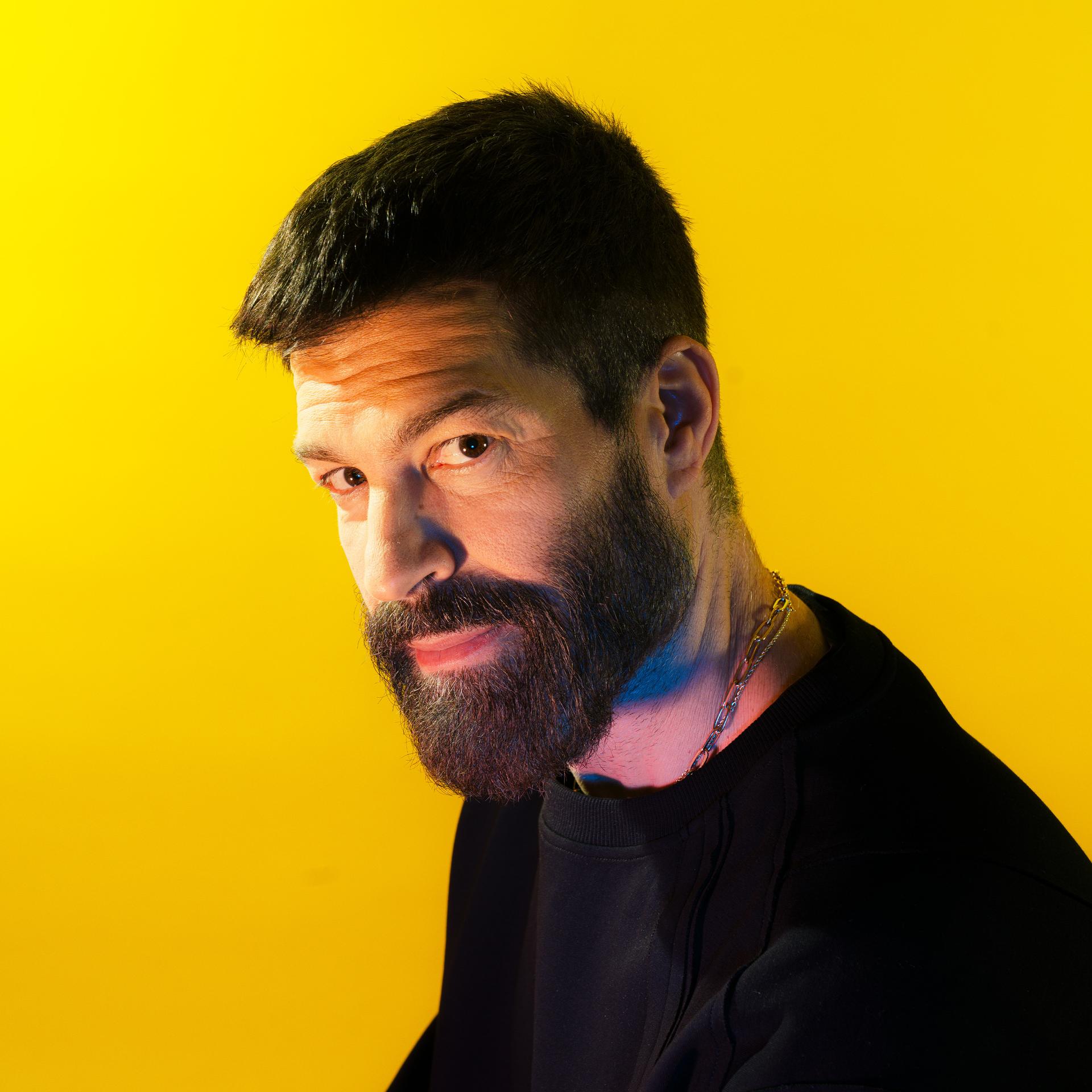
Schneider: If you think about consumers in the most sacred place in their lives, it’s really their home or where they live, and we’re one of the only brands that gets the privledge to enter that threshold to provide a service to customers. And so the perception that we start to set as a brand, how we show up, how people start to see our brand, that matters, because before we ever get to the actual door to do the work, we’re being judged. And people ask, “Will I allow this brand into my most sacred place that I own or that I live in?”
What I love about the Steemer and this idea of “Clean Enough, Is Not Enough” is that we’re starting to put out there that this character embodies not only what we want our techs to reflect, but what we want the brand to reflect. And we want consumers to see that when we show up, we’re professional, we know exactly what we’re doing and we do it better than anybody else. And I think if we can start to really hone in on those details as this campaign evolves, the sky is the limit for where this brand in this category can go.
Dattalo: “Clean Enough, Is Not Enough” is something that Andrew, myself and the team arrived at and was an answer to what’s happening in culture in terms of surface-level DIY hacks that live on TikTok and Instagram, but all they’re doing is moving dirt around. They’re not actually removing the dirt from your home. And so “Clean Enough, Is Not Enough” was really a response to that surface-level clean because that was a “Clean Enough” attitude, which is, if it looks clean, then it’s clean, but, in actuality, it’s filthy. And we really wanted to change the wiring in people’s brains and force this different perspective, force them to really sit up and see their homes and see what they think is this perceived clean differently.
Schneider: As a consumer, when you look at things in your house, you’re like, “Oh, that’s clean; my vacuum gets everything clean.” The reality is what Stanley Steemer comes in and does is we remove 95% or more of everything — dirt, grime, allergen s— from your house. And so this idea of how do you get that lightbulb for consumers to turn on, to truly understand, there’s a difference here, and I think the campaign that you guys landed on and just that strategic insight or human truth matters these days.
Dattalo: Stanley Steemer has been around for a long time. What are the things when you came in that you felt had to change? And what are the things that you wanted to keep?
Schneider: The potential of this brand is massive, especially when you think about the fact that we created the category we’re in right now over years and years of carpet cleaning, and now is the time for us to reclaim our rightful place as the category king. But we also need to challenge the assumptions we make as a brand and truly change the perception of consumers and what clean means in their house. That’s the remit I won’t change.
You walk into some of these legacy brands and there’s a reason they are legacy brands. At some point in time, they have had some great marketing or advertising campaigns that have really cemented their place in the world. At Wendy’s, that was, “Where’s the beef?” For Stanley Steemer, the jingle, the colors, the logo, those are sacred, right? At least in the foreseeable future, I wouldn’t change any of those. I think we need to lean into them because that’s what has gotten Steemer to where it’s at.
Dattalo: That was a mutual understanding when we embarked on this process. One of the first things that I said is Stanley Steemer is an icon. And there are certain things that are off limits, as far as I’m concerned, which are this treasure trove of brand assets, from the jingle to the 800 number, the vans, this font, the yellow and being unapologetic about that. So it was about embracing what’s working. Because, let’s be honest, those things are as close to perfect as you can get. And so it was just really about showing up in a fresh, modern way, while respecting the legacy of the brand and what was working. And that’s something that we were violently in agreement on.