December 22, 2025
If 2025 taught the ad industry anything, it’s that nothing is permanent. Not budgets, not job titles and certainly not traffic to news sites.
By now, the industry is used to disruption, but 2025 brought a special kind of chaos. It’s the kind where you look around and realize the search bar is gone, you’re having a conversation with an AI agent whose eagerness to show you what’s next knows no limit and your favorite streaming shows have ended.
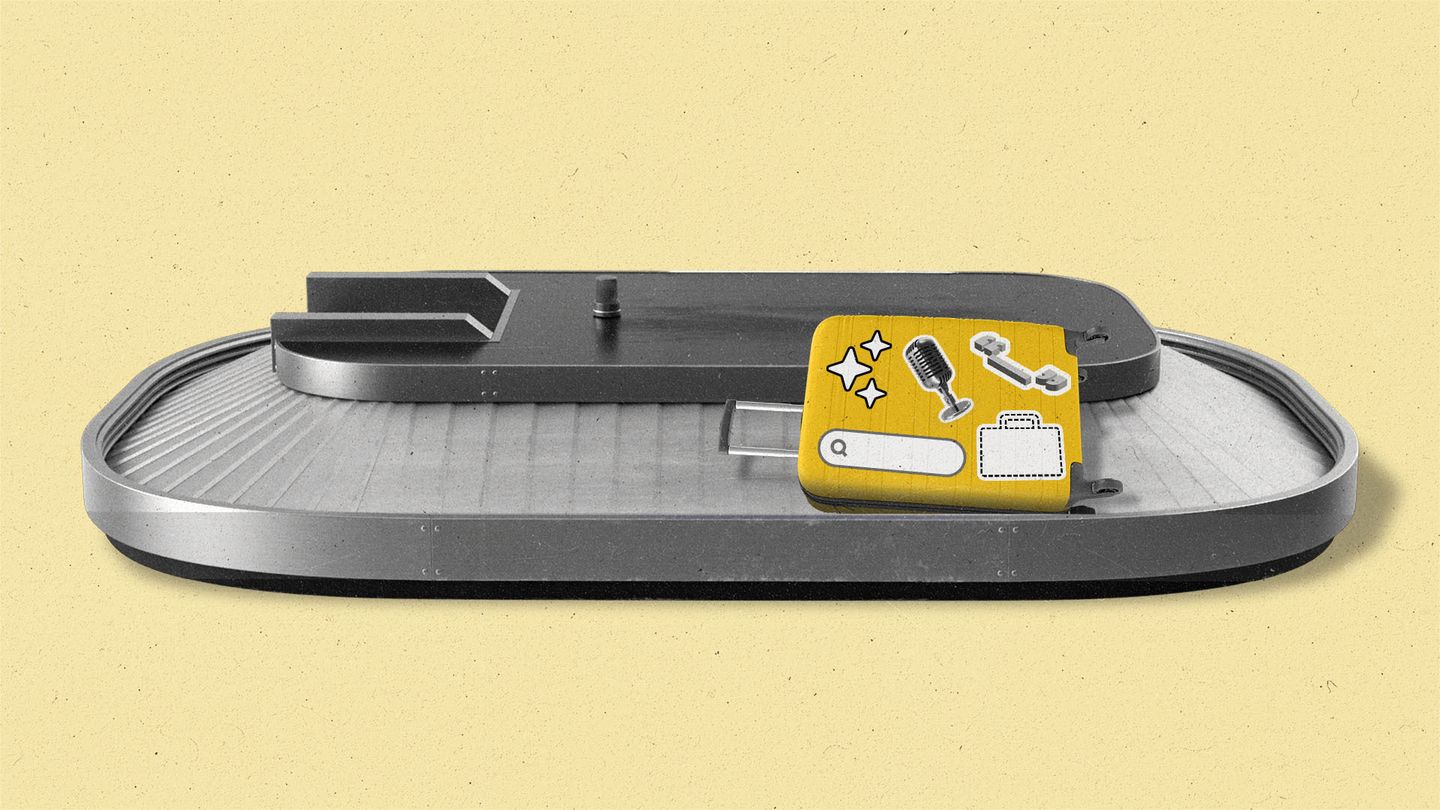
To commemorate the year, we’ve compiled a list of everything advertising lost in 2025. Some of these won’t be missed, but we will definitely mourn several (like that underappreciated em dash).
Realistic social feeds: With the rise of GenAI, our social feeds are now filled with AI slop: That’s not really a mattress made of lava, and despite our wishes, those babies playing with litters of puppies might be cute, but they’re not real.
The traditional search bar: The days of typing your questions into a search bar and expecting lists of webpages in return are long gone. Search is becoming more conversational and synthesized. This year saw search giants like Google, Bing and Microsoft’s Edge browser add AI tools that blurred the lines between search and chat.
The em dash: Thanks to AI, every em dash now looks guilty — in a perfectly worded piece of prose, at least. Please, take a moment of silence for the em dash.
‘Max’: Warner Bros. Discovery pivoted back to HBO Max after realizing the weight of brand IP. Why they ever got rid of the “HBO” to begin with has been a question on viewers’ minds since 2023. The “Max” by itself never caught on.
Privacy Sandbox (mostly): This died a slow, painful death. In October, Google retired many of its Privacy Sandbox features to nobody’s real care or surprise, with most publishers and advertisers having builttheir own alternatives to cookies or adopting alt IDs long ago. RIP.
IPG: With the OmnicomIPG merger, the IPG name and own entity has disappeared. It’s the end of an era.
50,000-60,000 jobs: Between the tough economy with new tariff requirements and major holding company cuts, the industry has witnessed a harsh year when it comes to job losses.
Creative briefs as we knew them: Once upon a time, creative teams received a tidy, beautifully structured brief. In 2025, they now receive a prompt. Or a link to a prompt. Or a note that says, “Ask the AI, it knows.” Strategy decks have been replaced by “vibes,” and half the industry is still pretending that’s fine.
Reasonable production timelines: Remember when a two-week turnaround was considered rushed? In 2025, marketers expect full campaigns, video spots and 20 social cutdowns in … checks notes … an afternoon, thanks to AI studios that can crank out infinite variations. RIP to the polite “we need more time” email.
Green media: OK, not all green media has died, but this is one vibe that has certainly shifted in favor of AI’s energy demands.
Independent thought: Partially kidding here, as even AI needs human input. But there’s now no need to noodle over creating a holiday weekend itinerary, writing emails or even crafting a whole novel by scratch. AI has an unceasing array of its own opinions, even if they all appeal to what the user wants to hear.
Traffic to news sites: This one hits hard. News traffic in 2025 took a nosedive thanks to AI overviews, chat-based summaries and “just tell me what I need to know” culture. Here’s hoping publishers get a handle on this in 2026.
Audio-only podcasts (except for The Big Impression): Remember when you could listen to a podcast without wondering what the host was wearing or whether the guest’s bookshelf was curated for clout? In 2025, it’s rare to come across a show without a video element. The simple, cozy intimacy of audio-only pods has been replaced by broadcast-level gloss.
Streaming hits: Stranger Things, Squid Game and The Handmaid’s Tale: These advertiser darlings have all ended in 2025. The good news, though, is that a spinoff of The Handmaid’s Tale premieres next year on Hulu.
Finally, traditional focus groups: Once the gold standard for consumer insights, focus groups have been largely replaced by AI simulations and real-time behavioral analytics. Watching humans in a room hash out opinions is now a quaint throwback.