May 21
Getting to know your audience is a key part of advertising to them. But audience research has often been a labor- and cost-intensive project, requiring significant overheads to generate useful information about potential customers.
AI may be able to help, reckons News UK, the publisher of The Times, Sunday Times and Sun. It recently launched a synthetic audiences product it calls Times ExplorAItion, as part of its Nucleus data platform.
The product emerged after synthetic audience startup Electric Twin presented at an AI summit at News UK’s London headquarters, initially attracting interest from marketing teams before moving into commercial use.
“We essentially run simulations,” explained Alex Cooper, CEO of Electric Twin. “A user [accesses] a software tool where they can run surveys, focus groups and a whole load of experiments against that audience, and get results instantaneously.”
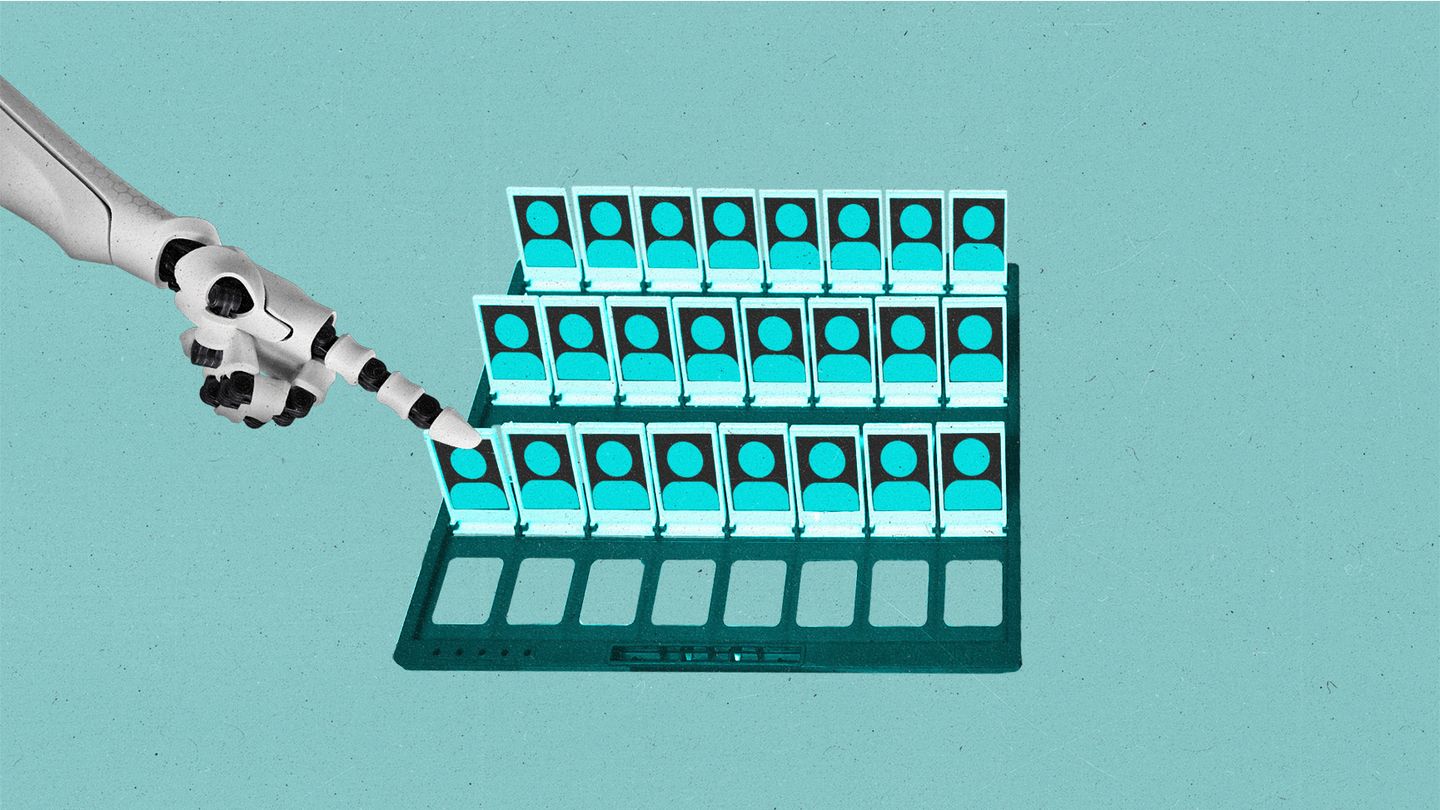
The idea is to let advertisers simulate how different audience groups might respond to campaigns, messaging or creative using AI-generated audience models trained on real reader data.
Celino’s colleague, Caroline Tredget, commercial director at the Times and Sunday Times, said in a statement launching the product: “Our goal is simple: to help advertisers reduce the guesswork and improve outcomes.”
There has been plenty of controversy about the way that AI looks set to disrupt many industries, advertising among them. Synthetic audience tech has existed in testing or at agencies, but The Times appears to be the first major U.K. publisher to bring such a product to market from the supply side.
But News UK is adamant that Times ExplorAItion won’t be a one-to-one replacement for the existing work that they currently do with their readership. “This will feature as another tool that’s able to be implemented into that planning framework and activation point of view,” said Charlie Celino, commercial services director at News UK. “Our studio team might use that to test different messaging, or how receptive people may be from a qualitative, quantitative, or focus group point of view.”
Human-led research and the insights derived from it remain the “gold standard,” explains Celino. “Humans are the ones that tell the story and humans are the ones that are able to have provocative ideas or difference of opinions,” he said. “We never want to truly replace it.”
Electric Twin’s Cooper has a different point of view, though—he believes “this has the potential to be more accurate” than humans, because “people’s revealed preference, their actual behavior, is quite different from their stated preference, what they say that they’re going to do.”
Humans were also used to help populate the Times ExplorAItion product. The Times marketing team conducted reader panels and surveys that functioned as seed data for the system, influencing campaign messaging and testing around new launches. News UK has also run a nationally representative survey and is ingesting PAMCo data, which Celino described as “the most broad-reaching audience demographic data set,” to build out the synthetic audiences.
The original push came internally rather than directly from clients. Celino said agencies and advertisers have become more interested in synthetic audiences, while client expectations helped sharpen the use case. “With the inclusion of AI in our everyday lives, agencies and clients are expecting responses quicker than ever,” said Celino. “They need to be validated more than ever.”
And it’s becoming more popular as an option with competing products out there. “When we started, everyone thought we were mad,” said Cooper. “Now it’s like a real thing, and it’s dozens of companies. Every day, there’s some new company appearance; it’s very much a thing.”
The cost also drives adoption. While declining to share absolute numbers, Celino said Times ExplorAItion could deliver “around a 10x saving” compared with traditional audience research, both in time and resource. The value, he said, lies in generating “real insights and meaningful insights in a matter of minutes,” rather than having to commission slower and more expensive human research every time a campaign idea needs testing.
The product is designed to validate instinct quickly, or carve out more precise audience groups from The Times’ broader readership. One early client, who Celino declined to name, is looking to use the product for its next campaign because it needs to understand “quite a niche” audience.
The ambition is to move synthetic audiences from experimentation into routine use. “What we see this doing is past that adoption phase and into just everyday usage,” said Celino. News UK has launched the product with The Times first, but plans to roll it out to other News UK titles in the coming months.